The arms of Rushmore Academy: an open book upon a rock beneath a star, within laurel, with the motto Supra Petram

Rushmore
Academy

Supra PetramUpon the rock

A Christ-centered classical school for the whole of a child’s education, kindergarten through twelfth grade. Built on mastery, not seat time. Run at home, by you, with the school behind you.

Choose a planRead the overview

Florida home educationFounding families pilot, 2026 to 2027

Some schools measure a day in hours spent at a desk.

We measure it in what your child can now do.

IThe promise

The promise

The best education we know how to give, for the children we love most.

Rushmore Academy began as a father’s answer for his own sons. Everything on this page was built for two real students first, then opened to families who want the same thing: a school where Christ is the center, the classics are the spine, and nothing is taught without a reason.

Christ at the center

The Bible, read every day in the New King James Version, is the ground the other subjects stand on. Non-denominational Protestant: the historic Christian faith taught with conviction, and the matters faithful Christians differ on taught fairly and labeled as such.

Classical rigor

Logic, rhetoric and ethics are courses, not slogans. Students learn to reason from evidence and Scripture, argue honestly, name a fallacy, and say a true thing well in front of other people.

Modern purpose

Personal finance from middle school. A real school paper. A micro-business. Spanish with Latin roots. A cybersecurity course. Early college where Florida makes it free. Every skill carries its story and its use.

Leonardo da Vinci, compositional sketches for the Virgin adoring the Christ Child, 1480 to 1485, silverpoint and ink on pink prepared paper

Who it is for

  • Florida families who educate at home under the state’s home education law, or who are ready to.
  • Parents who intend to be present. You open the day, you oversee the grades, you sign the portfolio. The school gives you the plan, the lessons, the practice and the records; it does not replace you.
  • Children who are ahead, behind, or both at once. Mastery means every child starts where they actually are.
  • Families who want the afternoon back. The core day is four focused hours; the rest is reading, play, work and church.

It is not a drop-off school and it does not promise outcomes it has not yet earned. What it promises is a complete plan, honest records, and a standard that does not move.

IIHow we teach

How we teach

A neoclassical hybrid: the old spine, the best of what has been learned since.

Grammar, logic, rhetoric: learn the thing, understand the thing, say it well. That three-part path is older than universities. We keep it and add what a century of learning science has confirmed about how people actually remember.

Jean-Auguste-Dominique Ingres, Study of Hands, 1842, graphite: a pair of hands folded at rest
The scholar’s desk: a book, a pen, the world, and enough light to read by.
  1. I

    Classical core

    Formal logic from grade 6, rhetoric and public speaking through grade 12, ethics taught from Scripture and the great books. Thought leaders, not followers, with humility.

  2. II

    The Bible central

    Daily, aloud, narrated and memorized. NKJV. Doctrine, church history, worldview and virtue have their own course every year from grade 6.

  3. III

    Mastery based

    Every skill has a name. You work on it until you own it, then it comes back later so you keep it. Finish early and the next skill is waiting: working ahead is expected and rewarded.

  4. IV

    Four hours plus one

    Four hours of interactive instruction, then one hour of homework on paper. No filler. Enrichment is yours to add, never ours to require.

  5. V

    Block schedule from middle school

    From grade 6 the day runs in blocks: Bible, math, a seminar, a language, movement, a lab, logic. Each block has a start, a product and an end.

  6. VI

    An AI tutor with a human in charge

    The tutor explains, asks, checks and remembers where each child is. A parent oversees every grade; first-pass AI grading of written work is off unless you turn it on. Nothing that identifies your child is sent to any outside model.

  7. VII

    Personalized through interests

    A child who loves animals meets fractions, data and essays through animals. Interests are the bridge to the hard parts, never a reason to lower the bar.

  8. VIII

    A purpose and a story in every lesson

    Why the skill exists, who needed it first, how it is used today. Abstract ideas are taught with the real need that produced them.

  9. IX

    Chores are part of school

    Every day, weekends included: the bed, the room and the dogs for every child, and the kitchen, bathroom, dishes, laundry and trash dealt out equitably between them. A parent scores each chore against a done-well standard and the week earns a grade. The subject is character: responsibility, hard work and quality work, done heartily as to the Lord.

A lesson, to scale

Keep both sides honest.

This is how an eighth grader meets algebra here: not as a trick to memorize but as a scale to keep level. Take the same from both sides and the truth stays standing.

2x + 3 = 11

A balance scale with the two sides of the equation

Drag the small weights off the left pan, or use the buttons.

Faith at the center

Scripture is not a subject here. It is the ground the subjects stand on.

IIIThe curriculum

The curriculum, K to 12

Every grade, every subject, mapped skill by skill.

The school is built on a skill graph: named, testable skills with prerequisites, tied to Florida’s standards where they exist and sequenced into courses from kindergarten to a senior thesis. The numbers below are counted from the school’s own files, not estimated.

Skills
1,672
in 12 subject graphs
Courses
116
sequenced K to 12
Standards codes
2,189
verified on 1,296 skills
Original lessons
301
written for the first quarters
Practice questions
3,274
on 534 skills
Free resources
1,598
read, rated and licensed

The twelve strands

Hover or tap a strand to see what it carries.

Bible, doctrine, worldview, church history and virtue. Read aloud every day in the New King James Version, narrated and memorized; from grade 6 its own course each year, with the matters Christians differ on labeled as such.

The journey, K to 12

Scrub the line or pick a grade to see its courses, the length of its core day and how the week divides between subjects. Grades 6 to 12 run 240 minutes of core a day plus 60 minutes of paper homework; kindergarten to grade 5 run a shorter core by age.

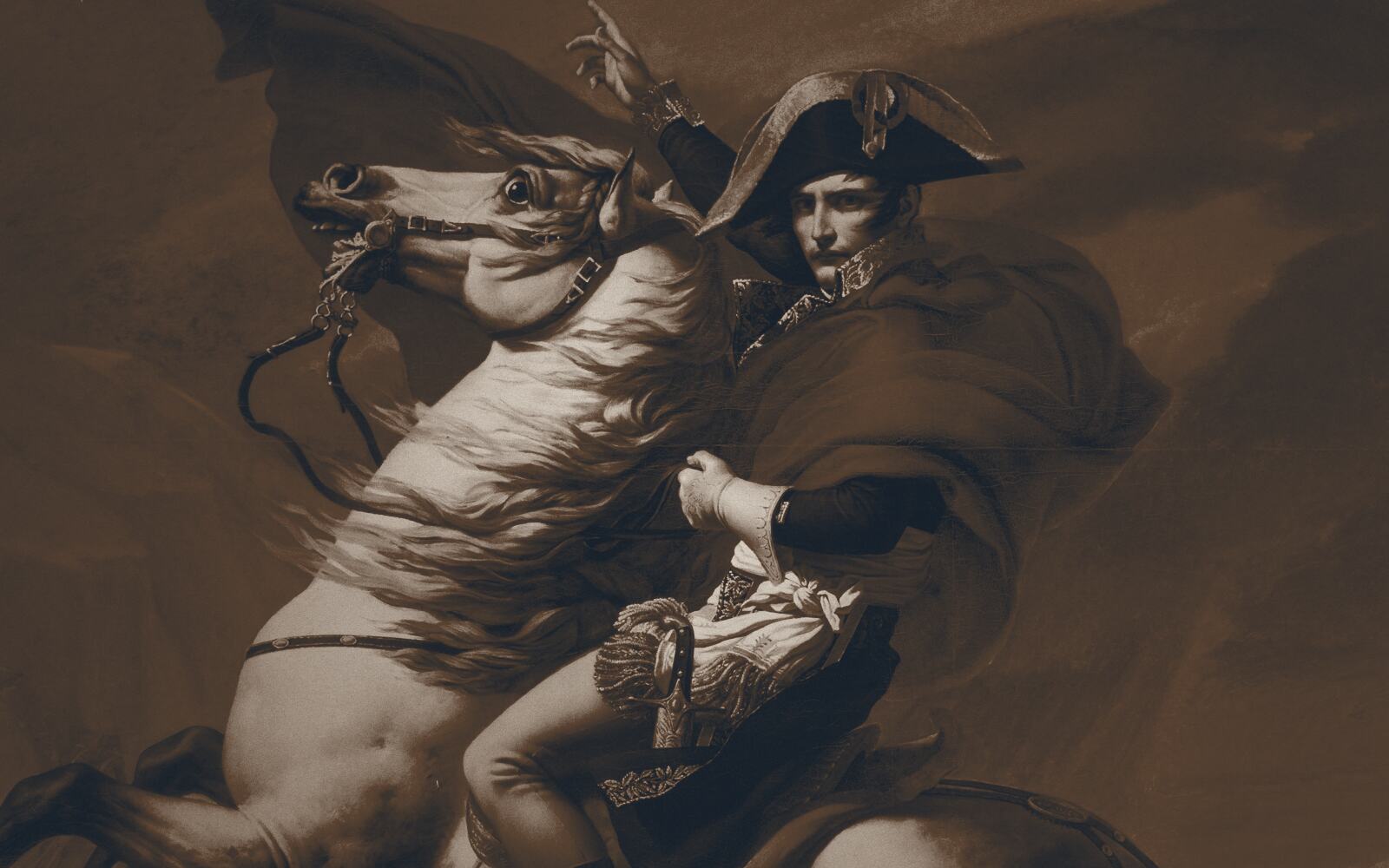
Jacques-Louis David, Bonaparte Crossing the Great Saint Bernard, 1801: a rider on a rearing horse, cloak lifted by the wind

The grade-by-grade map loads from curriculum-data.json. If it is not showing, the strand table below carries the same scope.

The twelve subject graphs, counted

StrandGradesSkills
Bible, doctrine, worldview, church history and virtue6 to 12132
Reading and English, kindergarten to grade 5K to 5178
English language arts, grades 6 to 126 to 12140
Mathematics, kindergarten to grade 5K to 5163
Mathematics, grades 6 to 126 to 11165
Science6 to 12138
History, civics and geography6 to 12143
Logic, rhetoric, journalism and marketing6 to 12138
Finance, economics, business, people skills and technology6 to 11139
World and classical languages6 to 12120
Arts, physical education, health and practical skills6 to 12138
Cybersecurity and digital safety6 to 1078

Honest scope: the kindergarten to grade 5 skill graphs exist today for reading and mathematics. The other elementary subjects are sequenced as courses (Bible stories and memory, nature study, history read-alouds, art, music, movement, Spanish songs) and their skill graphs are in progress. Grade 12 mathematics is taken through precalculus, statistics or dual enrollment.

Try a lesson

Distance, time and the meaning of slope.

A science lesson from the middle school physics strand, exactly as a student meets it: drag the two points, read the slope, watch the car move. Nothing here is a video; every lesson has something to do.

The lesson widget loads from /widgets/slope.js when this part of the page comes into view.

IVA day

A day, drawn to scale

Four focused hours. Then the afternoon is yours.

This is the weekly template for a middle school and a high school year, block by block, exactly as the plan generator uses it. Pick a day and tap a block to open it. Screen minutes are counted and capped; most of the day is paper, conversation, movement and the lab bench.

The week explorer loads from curriculum-data.json.

Morning

Scripture first, read aloud and narrated back. Then the hardest thing while the mind is fresh: math, every day, with ten minutes of review before anything new.

Midday

A seminar on the current book, a language, and a movement block every single day. Health is a subject with a grade and a log, not a suggestion.

Afternoon

Science with a model or a lab, history with the documents, logic on paper. Friday is the paper, the micro-business and the weekly mastery check. Then an hour of homework on paper, the evening chores scored against a done-well standard, and the day is done.

Honest work

Every student is a reporter. Every claim has a source.

VTechnology and safety

Technology and safety

Built like something you would trust with your own children. Because it was.

The platform exists to serve the plan, not the other way round. It is small, plain and locked. Here is exactly what it does with your family.

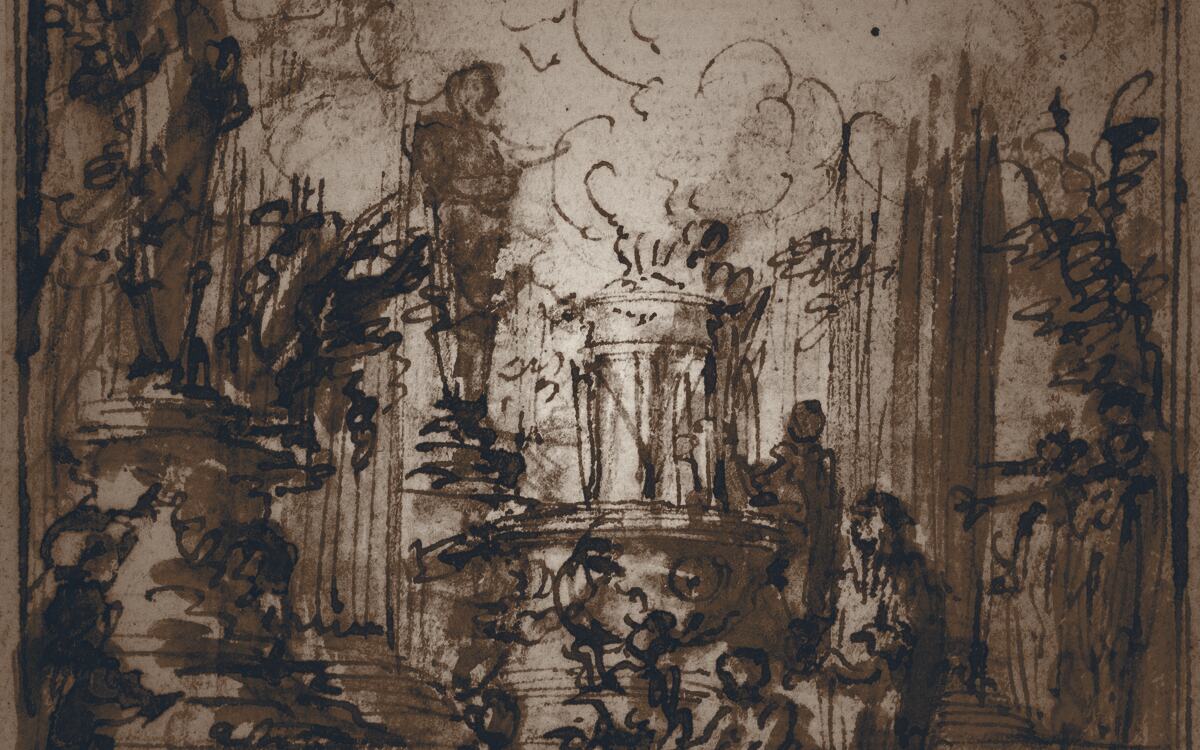
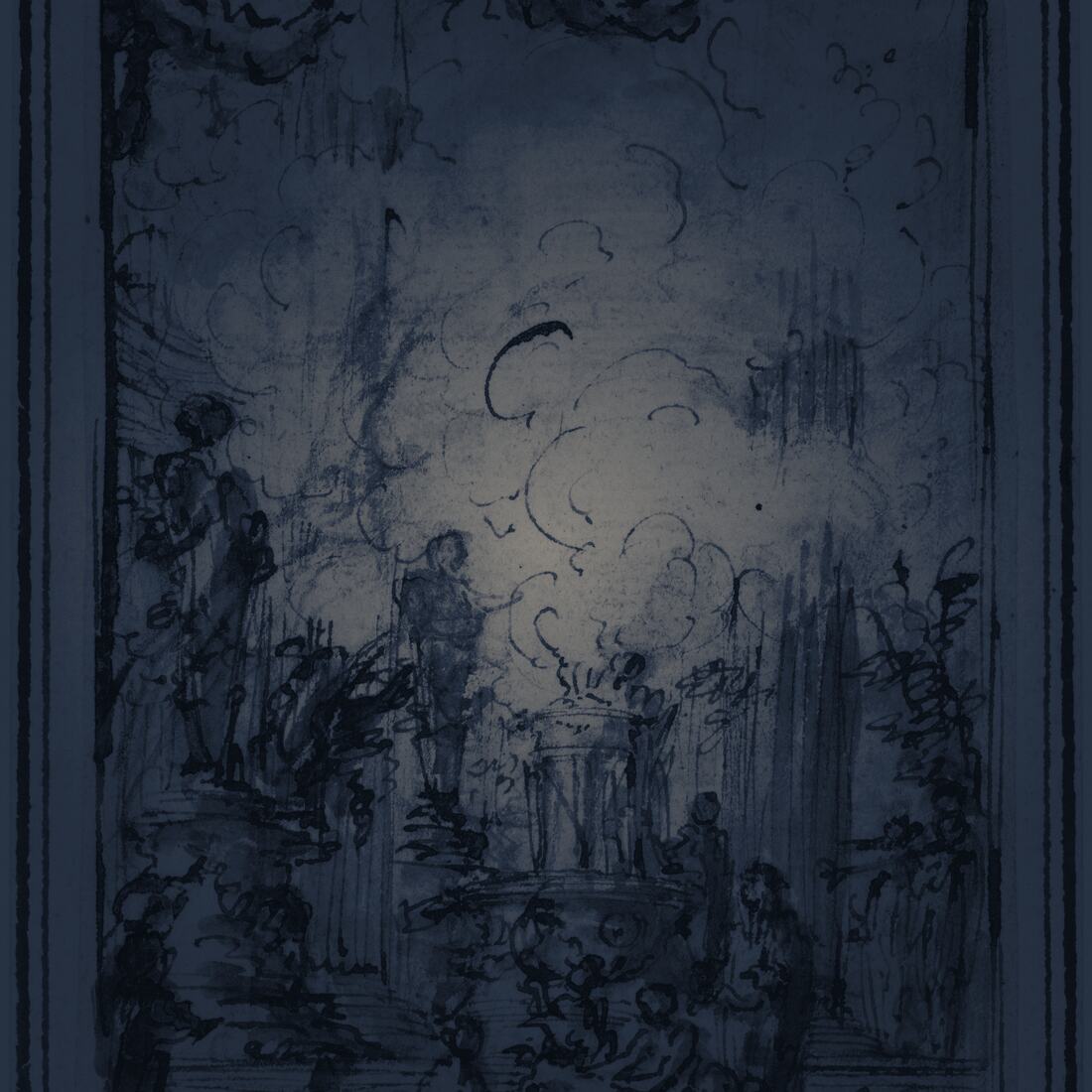
Giovanni Battista Piranesi, Sacrificial Offering in a Temple, after 1750: figures gathered before an altar beneath tall columns, in pen and wash

Secure sign-in, no passwords

Parents sign in with a one-time code sent to their own email. There is no password to leak and no child account anywhere. Each child is a profile on the family account, opened with a PIN the parent sets; five wrong tries lock it for ten minutes.

Children’s data, kept to the minimum

A grade and an optional first name or nickname. No birthdate, no address, no photograph, no school record. Every child is an opaque id in every table and every log. A family can delete itself and everything with it.

No student identifiers reach outside AI

When the school uses a hosted model, it sends the lesson text or the question, never a child’s name, profile or history. The tutor’s memory of each child lives on the school’s own storage.

Human oversight by design

A parent grades written work against the rubric. First-pass AI grading is off by default and opt-in per rubric. Fact checks, suggested questions and rubric feedback carry a disclosure line.

An internet security course, for credit

Cybersecurity and Digital Safety: 78 skills over 32 weeks at 2 sessions a week, a half credit. Passphrases and a password manager, two-factor sign-in, phishing, scams, grooming and sextortion warning signs, what to report and to whom, with a parent present for every real account.

This page tracks nothing

No analytics, no third-party scripts, no fonts or images from anyone else’s servers. A strict content security policy is enforced on every page, and the same is true inside the school.

VIThe paper, the ledger and the workshop

The paper, the ledger and the workshop

Journalism, finance, business and technology are in the core, not the margins.

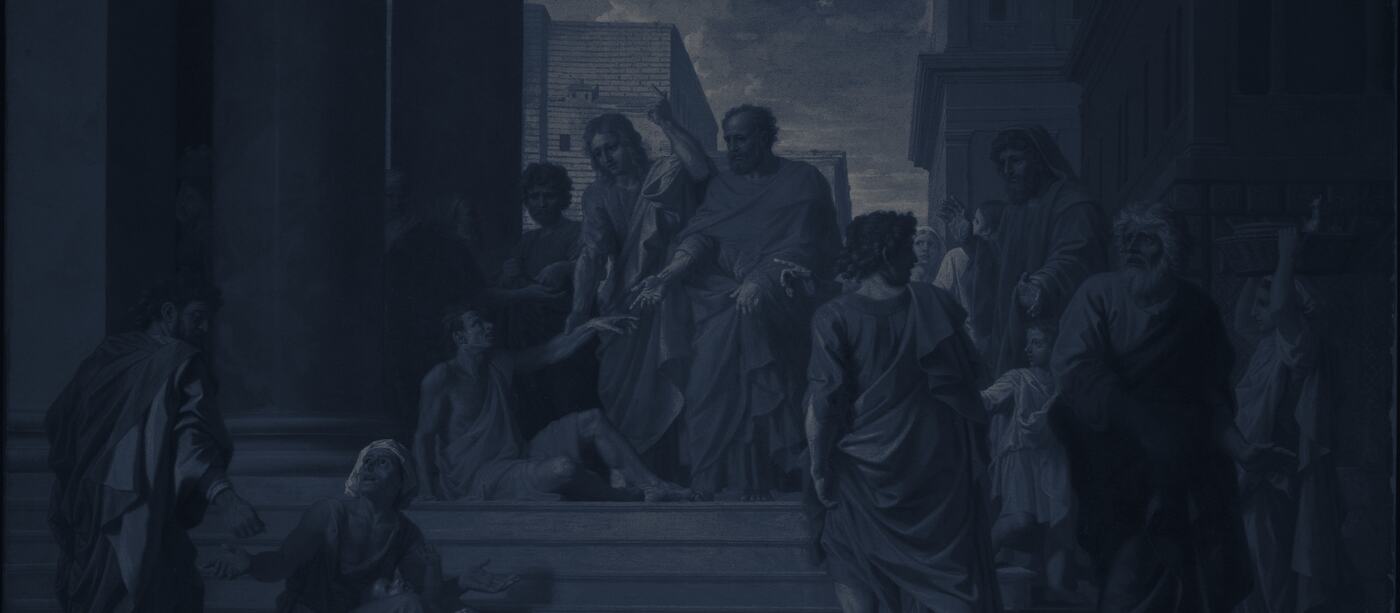
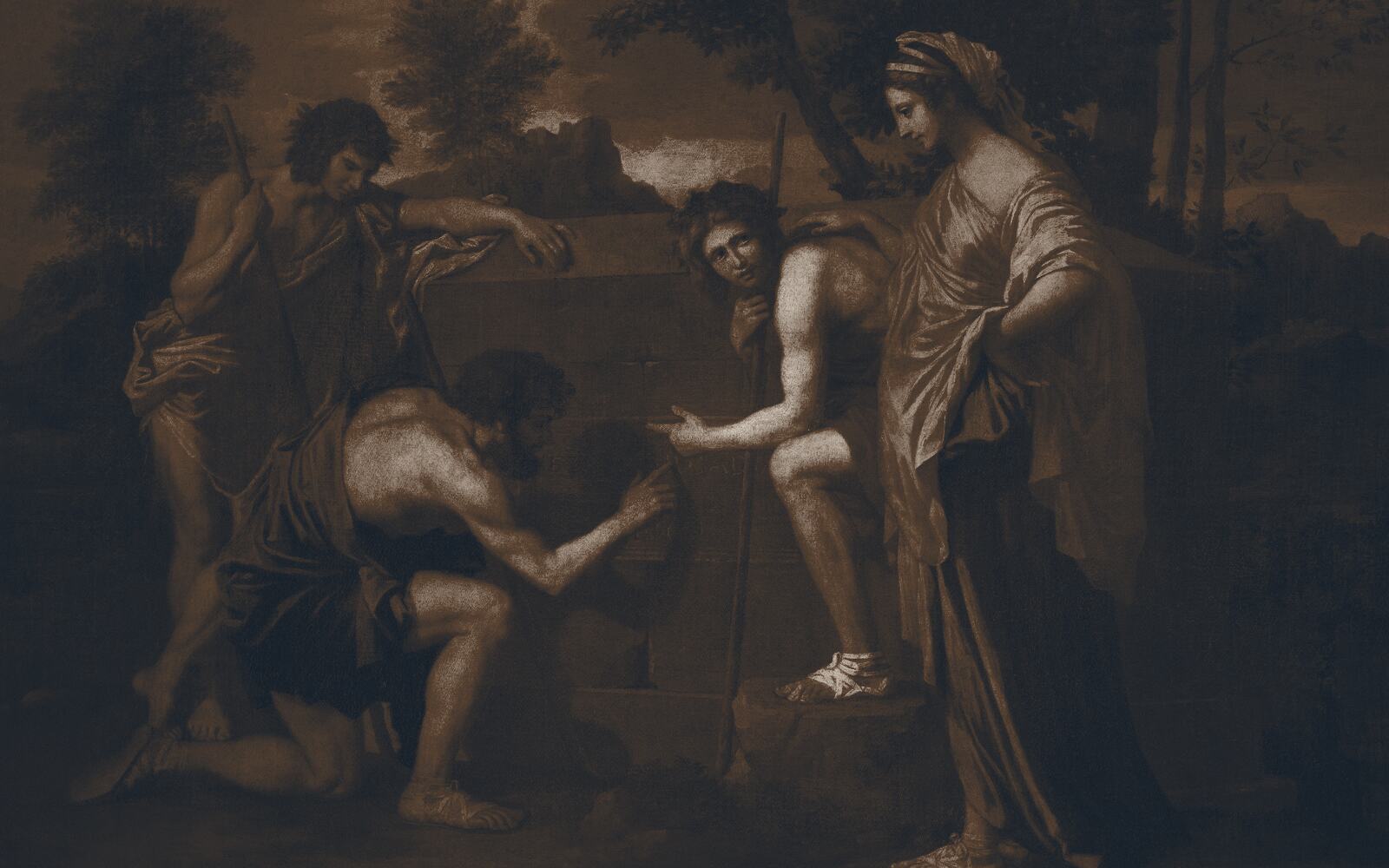
Nicolas Poussin, Et in Arcadia ego, about 1638: shepherds reading the inscription on a tomb
Work is a subject here. Something is made every week.

The school paper

From grade 6 every student is on staff: reporter, researcher, fact-checker, editor, designer, audience lead, rotating each term. Older students edit younger ones. A newsroom code in the spirit of the ninth commandment: every claim has a source, two independent sources for anything contested, a public corrections policy, a clear line between news and opinion.

No sentence written by AI is ever published. AI may check a fact or suggest a question, and says so when it does. Persuasion and marketing are taught alongside, with the line between persuasion and manipulation drawn in ink.

Finance and business

Money from grade 4: three jars, what a bank is, unit prices. Stewardship, interest, bank accounts, credit and insurance through middle school. Florida’s half credit in personal financial literacy closes by grade 10, next to economics. Grade 10 is the micro-business year; grade 11 runs a client campaign and a one-page marketing plan; grade 12 is a finance capstone.

People skills are a course of their own: listening, negotiation, a handshake, a hard conversation held kindly.

Technology

Touch typing from grade 4, files and folders and a first program in grade 5, Digital Discoveries through middle school, computer science in grade 11. Technology students can build with, and the digital safety to use it wisely.

Rhetoric and speech

A three-minute talk in grade 8, impromptu and prepared speeches with evaluation every week, debate in grade 10, a senior thesis defended out loud. Public speaking and social grace are practiced, not assigned.

VIIFlorida, plainly

Accreditation and Florida, plainly

What is true today, what is in progress, and what we will not claim.

A school that teaches honest journalism had better describe itself honestly. This is the state of things as of November 2026.

  • Built

    Florida home education support

    Rushmore runs inside Florida’s home education law (section 1002.41): the parent directs the program and the school supplies what the law asks for. A contemporaneous log of educational activities, work samples kept for two years, a portfolio export, an evaluation calendar for the annual evaluation, and a transcript template that mirrors the 24-credit Florida diploma.

  • Built

    A full K to 12 course sequence with early college mapped

    Florida course numbers where they apply, the graduation credit map, and the pathways: dual enrollment (tuition free for home education students in grades 6 to 12 who place at college level), CLEP, AP, AICE, credit by examination, Bright Futures targets, NCAA core courses, trades and apprenticeships.

  • In progress

    Accreditation

    Rushmore Academy is not accredited. Florida does not require a home education program or a private school to be accredited, and accreditors generally want a track record before they will look. The pilot year is that track record. We will apply when we have earned the right to, and this page will say so.

  • In progress

    The legal form for other families

    Selling a curriculum to parents who teach their own children is one thing; enrolling students, giving grades and issuing diplomas makes a private school under Florida law. Before Rushmore enrolls families beyond the pilot, that structure is being settled with counsel.

  • Not claimed

    Outcomes we do not yet have

    No college admissions results, no test score averages, no scholarship totals, no testimonials. The school is in its first year with two founding students. When there are results to report they will be reported with their sample size, which will be small for a while.

VIIIFounding families

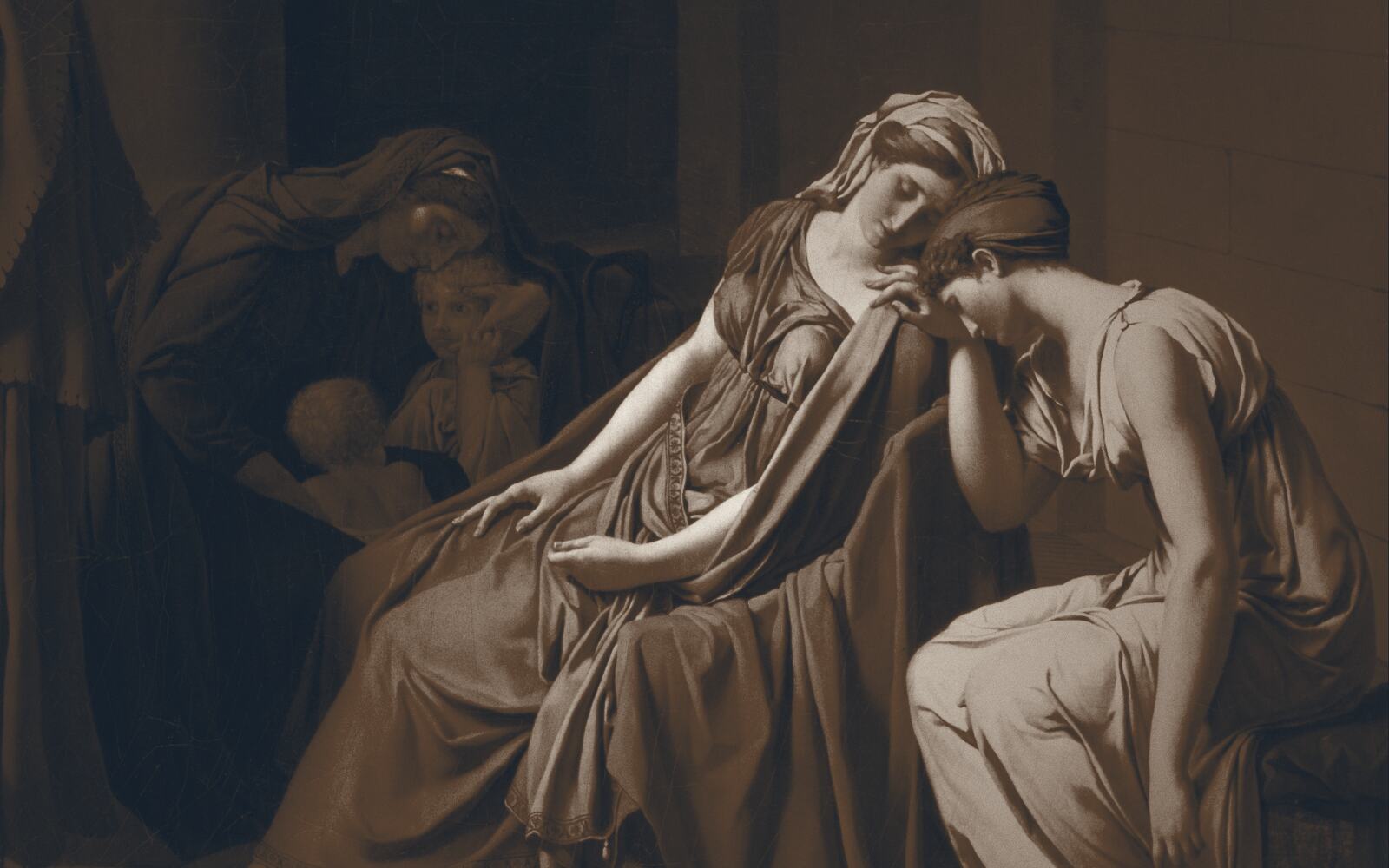
Jacques-Louis David, The Oath of the Horatii, 1784, detail: the women of the house grieving, their drapery falling in deep folds
Founding families

The pilot year, 2026 to 2027

Rushmore Academy opened with two founding students, taught at home in Florida by the family that built the school. Their year is the proof: the plans, the lessons, the practice bank, the records and the daily rhythm are all being run for real and corrected as they go.

A small number of founding families will be invited to join as the platform is verified on phones and computers. Founding families get the school as it is built, a direct line to the people building it, and a say in what comes next. There is no waiting list to join yet and no form to fill in; when places open, this page will say so first.

For their privacy the founding students are never named anywhere in the school’s materials, and the same rule will protect yours.

IXPlans

Plans

Three schools inside one academy.

Grammar, logic and rhetoric: the classical names for the elementary, middle and high school years. Pick the plan for each child’s grade; one family account holds them all, and the school builds each child their own day.

Plans load from pricing-data.json. If they are not showing, the plan page at /subscribe has them.

XQuestions

Questions

Asked by parents, answered plainly.

Is this a school I enroll my child in, or a curriculum I teach?

Today it is a complete program that you, the parent, run at home under Florida’s home education law. You direct the instruction; the school supplies the daily plan, the lessons, the practice, the tutor and the records. Whether Rushmore becomes a registered private school for families who want enrollment is one of the open decisions above.

How much of the day is on a screen?

It is counted block by block. In the eighth-grade template the heaviest day has 85 screen minutes out of 240, and homework is always on paper. The elementary years run almost entirely on paper and with real objects; kindergarten has no screens at all. Open the week explorer above to see the real numbers.

What translation of the Bible, and what tradition?

The New King James Version. Non-denominational Protestant: the Trinity, the deity and resurrection of Christ, the authority of Scripture, salvation by grace through faith. On matters such as the mode of baptism, the timing of the end times, spiritual gifts and the age of the earth, the main evangelical views are taught fairly and labeled as secondary. No denominational catechism is imposed.

What does the AI tutor actually do, and what does it not do?

It explains, asks questions, checks practice, remembers where each child is and suggests what comes next. It does not grade written work unless you turn that on, it does not publish a sentence in the paper, and it never receives your child’s name or profile. A parent is in charge of every grade.

Can my child work ahead?

Yes, and it is expected. When a course’s quarter list is finished early, the next skills are pulled in order from a work-ahead queue. In high school that time can become dual enrollment credit where Florida offers it.

What about the Florida paperwork?

The log, work samples, portfolio export, evaluation calendar and transcript are built in. The annual evaluation itself is done by a Florida certified teacher or another method the law allows; the school keeps the records ready and tells you the dates.

Is Rushmore accredited?

No. See the section above: Florida does not require it, accreditors want a track record, and we will apply when the pilot has produced one.

Can I use a Florida scholarship to pay for it?

Possibly, for curriculum, under the Personalized Education Program. The rules are specific and change; we are checking them and will say exactly what applies before any plan goes on sale. Nothing on this page is a promise of scholarship eligibility.

How does a student sign in?

A parent signs in first with the one-time code sent to their email, then opens the child’s profile with the PIN the parent set. The child never has an email account or a password with the school.

What happens to our data if we leave?

A family can be deleted with every student record in it. Nothing is sold, shared or used for advertising, ever.

Enter the school

Parents

Sign in with the one-time code sent to your email. No password. Your family’s plans, records and settings are inside.

Parent sign in

Students

A parent signs in first on this device, then opens your profile. Enter your PIN and your day is ready.

Student sign in

New families

Compare the plans above, then choose one. The school opens a family account and walks you through adding each child.

Choose a plan